


- What We Do
- Telecom & Voice Engineering
We Build at the Protocol Level of Telecom Networks — Where Most Engineering Companies Stop
Stacknize has over 14 years of hands-on experience building systems that operate at the core of telecom
networks- SIP signalling, SMSC messaging, USSD session management, and Intelligent Network integration. That engineering depth, rare in the software industry, is now our advantage in AI voice: the
same discipline that makes production telecom platforms reliable is what makes great AI voice applications.
The Distinction That Matters
Stacknize is one of them. Our engineers have built Ring-Back Tone platforms with IN node integration,
USSD applications that interface directly with the HLR via MAP protocol, and custom CRM systems that
manage the full VAS subscriber lifecycle for major operators. This is not system-integration work, it is
core telecom engineering. And it is the foundation on which we now build AI voice applications that
actually work in real operator environments.
Platform Engineering
Across Countries
Global Production Footprint
Live mission-critical systems deployed across continents.
What We Do
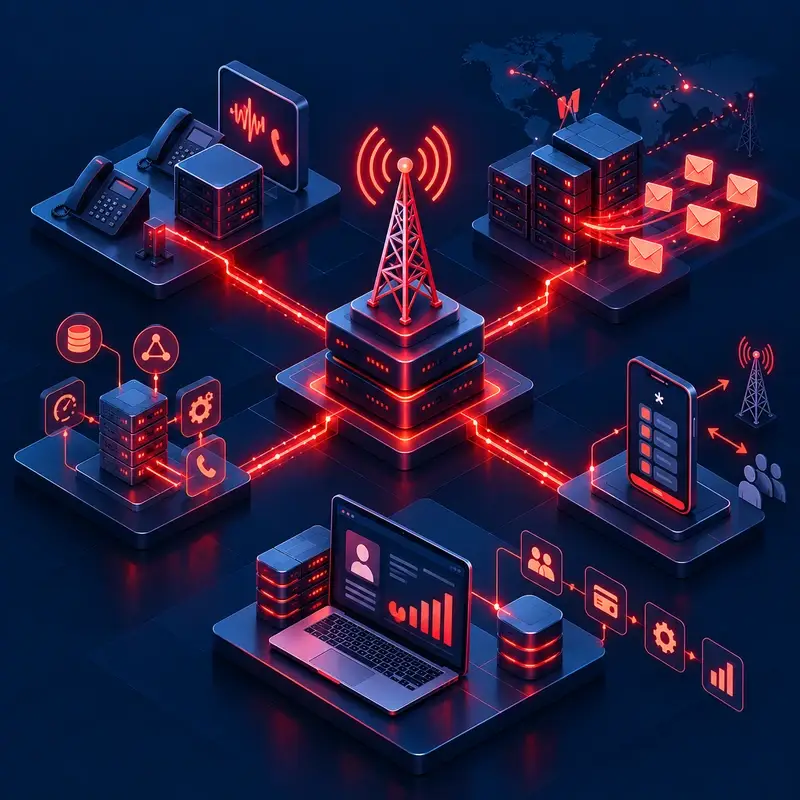
Core Telecom Protocol Engineering
- SIP platform development and integration - Asterisk, FreeSWITCH, Kamailio for operator and enterprise voice
- SMSC integration - SMPP v3.4 protocol, SS7/MAP interfaces, transactional and promotional messaging at scale
- USSD application development - MAP protocol session management, interactive subscriber menus at zero data cost
- IN / CAMEL integration - Intelligent Network interfaces for real-time charging, service logic, and call control
- Telecom CRM systems - custom subscriber lifecycle management, VAS billing, service provisioning, and campaign tooling
Voice Application Development
- IVR systems - both traditional DTMF-based and modern natural language IVR running over SIP
- VoIP infrastructure - SIP trunking, softswitch integration, and enterprise voice platform configuration
- WebRTC applications - browser and mobile real-time audio/video for consultation and communication use cases
- Voice recording, transcription, and analytics - call logging, quality monitoring, and compliance tooling


AI-Enhanced Voice (Our Newest Frontier)
- Natural language IVR - LLM-powered conversational voice that replaces rigid DTMF menus
- AI voice bots over SIP - full-duplex AI agents running on real telephony infrastructure, not web widgets
- Real-time speech-to-text pipeline - Whisper-based STT optimised for conversational cadence and low latency
- TTS response synthesis - ElevenLabs and Azure TTS for natural-sounding AI voice output
How We Work

01
Telecom Assessment

02
Protocol-Level Build

03
Integration & Handover
Technology Stack
Most software teams stop at the API. We work right down at the network protocols, so we build and test against live operator infrastructure, not simulations. The same stack that runs carrier-grade ring-back tone and value-added services now carries AI voice agents on real phone calls.
SIP / VoIP
- Asterisk
- FreeSWITCH
- Kamailio
SMSC
- SMPP v3.4, SS7/MAP interfaces
USSD
- USSD gateway integration
- MAP protocol
- Session state management
IN / CAMEL
- Intelligent Network — real-time charging and service control interfaces
WebRTC
- Browser and mobile real-time audio/video
AI Voice
- OpenAI Whisper (STT)
- ElevenLabs / Azure Cognitive Services (TTS)
- GPT-4o (dialogue)
Admin & Portal
- Angular — operator CRM and management portals
Backend
- Node.js (NestJS)
- Java Spring Boot
- Python

Who This Is For
- Telecom operators building or upgrading VAS platforms — RBT, USSD applications, messaging infrastructure
- MVNOs needing telecom-grade platform engineering without a full in-house network team
- Enterprises with high inbound call volumes looking to automate with AI voice
- Healthcare, banking, or logistics organisations running voice-critical customer operations
- Technology companies needing deep telecom integration as part of a broader platform build
Need Engineering at the Protocol Level of a Telecom Network?
Our Partner for
Software Innovation